
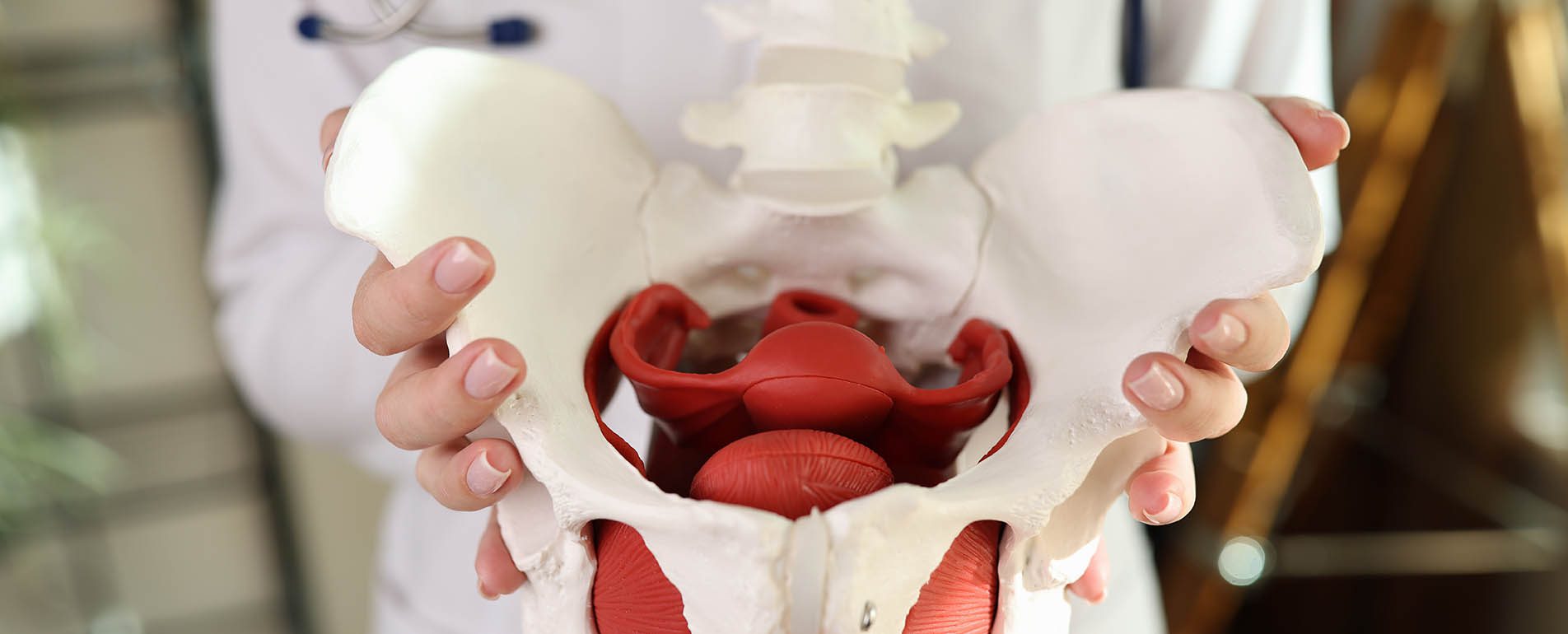

Doctor gynecologist holding of female pelvis with muscles model

Pelvic floor therapy is a type of physical therapy aimed at strengthening or relaxing the muscles of the pelvic floor. The pelvic floor is a group of muscles and ligaments that form a supportive “hammock” at the bottom of the pelvis, supporting organs like the bladder, uterus (in women), prostate (in men), and rectum.

The therapy can include exercises to strengthen weak pelvic floor muscles, techniques for relaxing tight or overactive muscles, manual therapy, biofeedback, and education on posture and body mechanics.

Pelvic floor therapy is typically provided by a specialized physical therapist, who assesses the individual’s condition and creates a personalized treatment plan. It can be beneficial for both men and women, particularly after childbirth, surgery, or for managing conditions like incontinence or pelvic pain.

Meet the Team

Jennifer McGarry PT, DPT

Jennifer grew up in Chicago, IL and did her undergrad...

Codi Fruhmann PT, DPT

Codi is native to Silt, Colorado. She graduated from University...

Julia Peairs, PT, DPT

Physical Therapy Julia grew up in Arizona, but found her...

Therapy Services Icon

Seeing patients in Rifle and Battlement Mesa.

Call 970.625.1100 for an appointment.

Pelvic Floor Physical Therapy

When you have symptoms of pelvic floor dysfunction it is important that you start any physical therapy program with a thorough evaluation.
[En Español]

Pelvic Floor Symptoms & Conditions

Pelvic therapy patient

Bladder issues

The pelvic floor directly affects bladder function. If you notice abnormal bladder issues, you should talk to your healthcare provider. Symptoms can include:

  • Urinary leakage or incontinence
  • Urinary frequency/ urgency: feeling urgent need to urinate, or needing to urinate more frequently
  • Difficulty emptying the bladder/incomplete emptying
  • Retaining urine, or pain with filling/emptying of bladder
  • Overactive bladder/ interstitial cystitis/painful bladder syndrome

Less obvious, but equally concerning, are problems with your bowel or bowel movements. This can be a sign something is wrong with your pelvic floor.

  • Constipation
  • Incomplete emptying
  • Fecal incontinence
  • Pain with bowel movements
  • Bowel urgency
  • Gas or mucus

Most women have experienced some form of pelvic pain at some point in life, but chronic pelvic pain should be diagnosed and addressed as soon as possible. Symptoms of pelvic pain include:

  • Pelvic joint pain, SI joint pain
  • Lower abdominal/pelvic pain
  • Discomfort or pain during sexual intercourse (dyspareunia)
  • Pudendal neuralgia
  • Increased pain during menstrual cycles
  • Tailbone pain
  • Genital pain: vaginismus, vulvodynia, penile pain or testicular pain
  • Supportive care after oncological diagnosis and treatment

This condition occurs when one or more of the pelvic organs slip from their normal position and put pressure on the vagina. Pelvic organ prolapse most commonly occurs in the years after childbirth or after a hysterectomy or menopause.

  • Vaginal bulging
  • Pelvic pressure/heaviness
  • Low back pain

Pain during intercourse, or dyspareunia, is a common symptom of sexual dysfunction. Others include:

  • Decreased or overactive arousal
  • Pain during women’s exam or inability to insert tampon
  • Pain during intercourse
  • Low back and/or pelvic pain
  • Regaining strength/flexibility and resolving pain