
Health Fair Testing Explained

Connecting our Communities
Health Fair Testing Explained, Upcoming Events and The Value of Wellness Preservation
Health Fair Testing Explained
Why Medical Tests Are Important for Your Health
By Jessi Griffiths, NP-C
There are many tests that doctors use to help keep us healthy, many of which are recommended to be completed on a regular basis. These tests can detect and even prevent potentially life threatening conditions. Here is a brief explanation of the screenings offered at Grand River’s Health Fair:
- CMP (Comprehensive Metabolic Panel)
This test checks how well your kidneys and liver are working. It also looks at your blood sugar, protein levels, and the balance of minerals and electrolytes in your body, like potassium and calcium. - Lipid Panel
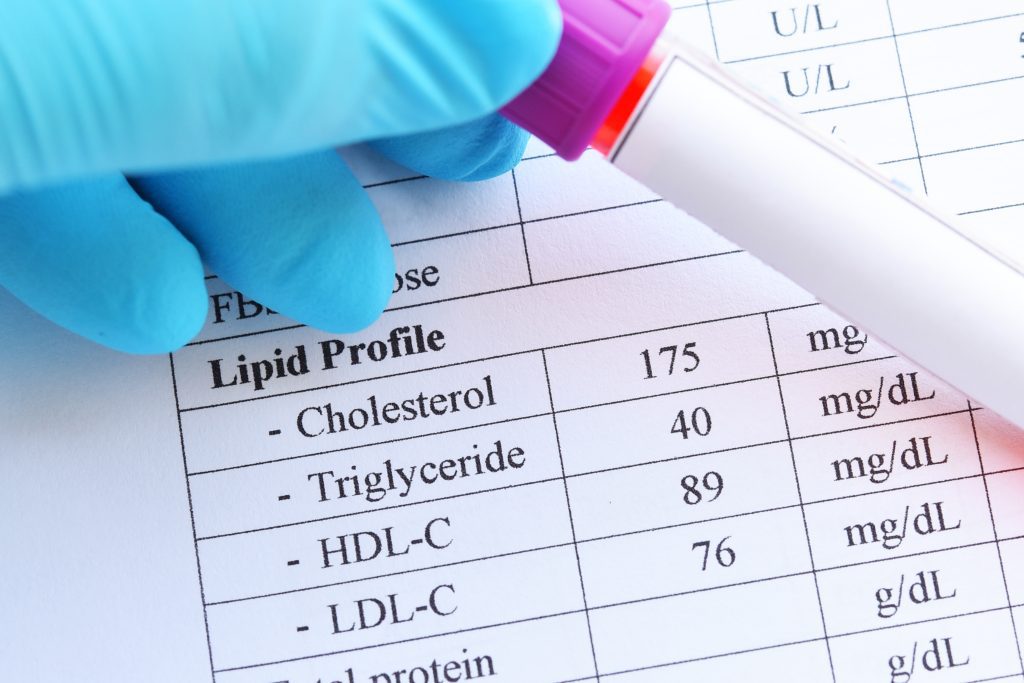
This test checks the fats in your blood, like cholesterol. Too much bad cholesterol can cause heart problems. By checking this, doctors can give advice on how to keep your heart healthy. - TSH (Thyroid Stimulating Hormone)
The TSH test checks how well your thyroid is working. The thyroid is a gland that helps control your energy and growth. - PSA (Prostate-Specific Antigen)
This test looks for a protein in the blood that can help doctors check for prostate problems, including cancer. Men over 50 or with a family history of prostate cancer may need this test. - Hemoglobin A1c
This test shows your average blood sugar level over the last two to three months. It’s important for checking if someone has diabetes or is at risk of developing it. - Vitamin B12
This test checks for a vitamin B12 deficiency. Vitamin B12 is important for your nervous system and energy. - Vitamin D
This test measures how much vitamin D you have. Vitamin D helps your body absorb calcium, which is important for strong bones. Low levels can lead to bone problems. - Blood Type
Knowing your blood type is important for emergencies like needing a blood transfusion. There are four main blood types: A, B, AB, and O. - CBC (Complete Blood Count)
A CBC checks the health of your blood. It counts different types of cells, like red blood cells (which carry oxygen), white blood cells (which fight infections), and platelets (which help your blood clot). This test can help doctors find problems like anemia or infections. - Testosterone
This test measures how much testosterone is in your body. Testosterone is a hormone that affects growth, strength, and mood. Low levels can cause problems like tiredness or trouble focusing. - Colon Cancer Screening
This test checks for early signs of colon cancer. It can help doctors find problems in your digestive system, like polyps or growths that could become cancer. People usually start getting screened at age 45 or older. - Microalbumin
This test checks for small amounts of protein in your urine. High levels of protein can be a sign of kidney damage, especially in people with diabetes or high blood pressure. - Diabetic Retinopathy Exam
People with diabetes need to have their eyes checked regularly. This exam looks for damage to the blood vessels in the eyes. Early detection can prevent serious vision problems or blindness. - Blood Pressure
Blood pressure is the force of your blood against the walls of your arteries. High blood pressure can lead to heart disease, kidney problems, and other serious health issues. It’s important to check your blood pressure regularly to make sure it stays in a healthy range. - BMI (Body Mass Index)
BMI is a measure of body fat based on your height and weight. It helps doctors understand if you are at a healthy weight. Being overweight or underweight can increase your risk of certain health problems like heart disease or diabetes. - Skin Screenings
Skin screenings are checks for signs of skin cancer, like unusual moles or spots. Early detection of skin cancer can save lives, so it’s important to get your skin checked, especially if you spend a lot of time in the sun. - Foot Screenings
Foot screenings are especially important for people with diabetes. They check for signs of problems like infections, sores, or nerve damage. Taking care of your feet can prevent serious issues, including amputations.
Why These Tests Matter
Each of these tests gives doctors important information about your health. They can help doctors catch problems early when they are easier to treat. By getting these tests as part of your regular check-ups, you are taking steps to stay healthy and prevent future problems.
Remember, it’s important to talk to your doctor about which tests you may need and how often you should have them!

Upcoming Health Fairs
Battlement Mesa Health Fair 2025
March 1st @ 8am – 10am
Grand River – Clinic West 201 Sipprelle Drive, Battlement Mesa
Grand River Health Fair 2025
April 5th @ 8am – 10am
Grand River Health 501 Airport Rd. Rifle, CO 81650
The Value of Wellness Preservation

The Value of Wellness Preservation
By Dr. Matthew Skwiot
In our fast-paced world, where stress, pressure, social media and the news cycle seem to be constant companions, wellness preservation has become more critical than ever. Wellness is not merely the absence of illness but a holistic state of physical, mental, and emotional health. Preserving this state requires conscious effort and proactive measures. Wellness preservation is different philosophy than what we are typical used to. In the Western Medicine that we are used to we focus a lot on rescue medicine or saving someone from a disease. This definitely has a role in maintaining our health, after all, this is my primary focus as an ED Physician. I encourage you to also look at your health from a wellness preservation perspective. Here’s why maintaining wellness is invaluable:
Physical Health
Regular exercise, balanced nutrition, and adequate sleep are foundational to physical well-being. Consistent physical activity strengthens muscles, boosts cardiovascular health, and enhances immune function. Moreover, a nutritious diet provides the necessary vitamins and minerals to keep the body functioning optimally. Together, these practices reduce the risk of chronic diseases like diabetes, heart disease, and obesity.
Mental Health
Mental wellness is just as crucial as physical health. Stress management techniques such as mindfulness, meditation, and therapy can help maintain mental equilibrium. A sound mental state enhances cognitive functions, improves mood, and fosters resilience. It also plays a significant role in how we handle challenges and interact with others, impacting our overall quality of life.
Emotional Health
Emotional wellness involves understanding and respecting our feelings. Practices like journaling, talking to loved ones, and seeking professional help when necessary can contribute to emotional stability. This stability is essential for maintaining healthy relationships and for personal growth. Emotional health influences our ability to experience joy, manage stress, and build a meaningful life.
Social Wellness
Our connections with others significantly affect our well-being. Building and maintaining strong, healthy relationships provide emotional support and a sense of belonging. Engaging in community activities and nurturing friendships can enhance social wellness, leading to a more connected and fulfilling life.
Preventative Health Measures
Wellness preservation is inherently preventative. By adopting healthy habits and routines, we can avoid many common health issues before they start. Regular check-ups, screenings, and vaccinations are part of a proactive approach that can save time, money, and suffering in the long run.
Productivity and Performance
Maintaining wellness directly influences our productivity and performance. A healthy body and mind enable us to work more efficiently, think more clearly, and perform tasks with greater ease. This can lead to improved performance in both professional and personal endeavors, contributing to a sense of achievement and satisfaction.
Longevity and Quality of Life
Perhaps the most compelling reason to focus on wellness preservation is its impact on longevity and quality of life. A well-maintained state of health can extend life expectancy and ensure that those extra years are vibrant and fulfilling. By investing in our wellness today, we can enjoy a healthier, happier tomorrow.
Conclusion
Wellness preservation is not a one-time effort but a lifelong commitment. The benefits of maintaining physical, mental, emotional, and social health are far-reaching, affecting every aspect of our lives. By prioritizing wellness, we not only improve our own lives but also set a positive example for those around us. So, take the first step today towards a healthier, more balanced life. Your future self will thank you.
Remember, it’s the little daily choices that add up to significant, lasting change. How do you prioritize your wellness?