How Plastics Impact Male Health
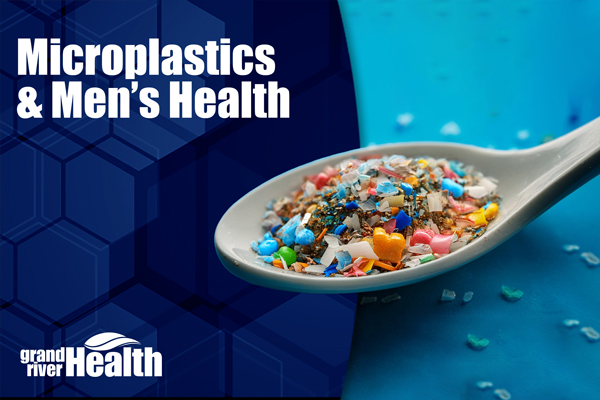
Microplastics are tiny plastic fragments that come from bottles, containers, synthetic fabrics, and more. These particles are now found in human blood, organs—and reproductive systems. Here’s what scientists have discovered:
- Microplastics can accumulate in the testes.
A 2024 study published in Toxicological Sciences found microplastics in 75% of human testicle samples, suggesting environmental plastic exposure reaches reproductive organs.
- Plastics may lower testosterone levels.
Chemicals in plastics, like BPA and phthalates, can disrupt hormones. Studies show they may reduce testosterone, sperm quality, and fertility.
- Microplastics may interfere with hormone signaling and increase oxidative stress.
This can lead to inflammation, DNA damage, and reduced reproductive function over time. You may experience more fatigue, reduced muscle mass, and accelerated ageing.
Ways to Protect Men’s Health
Reducing plastic exposure and supporting natural hormone health can make a difference.
Action | Why it Helps |
Avoid plastic food containers | Limits exposure to BPA and phthalates |
Don’t microwave plastic | Prevents chemical release from heat |
Choose glass, metal, or wood | Safer for food and drink storage |
Eat cruciferous vegetables | May help hormone balance and detoxification |
Exercise regularly | Supports testosterone levels and reduces body burden |
Can You Detox from Plastics?
There is no guaranteed way to remove all plastics, but these practices may help:
– High-fiber foods like leafy greens, flaxseed, and oats help excrete toxins.
– Hydration supports the liver and kidneys in filtering waste.
– Certain foods (e.g., broccoli sprouts) and supplements (e.g., NAC, milk thistle) may help detox you from plastic— please consult a healthcare provider before starting.
Bottom Line
Research shows microplastics and plastic-related chemicals can accumulate in men’s bodies, lower testosterone, and harm fertility. Simple actions—avoiding plastic, eating clean, and supporting hormone health—can help reduce these risks.
Selected References
Campagnolo, L. et al. (2024). Microplastics detected in human testicular tissue: A global cross-sectional study. Toxicological Sciences.
Zhang, J. et al. (2023). Endocrine-disrupting effects of microplastics on male reproduction. Reproductive Toxicology.
Patel, M. et al. (2022). Phthalate exposure and hormone disruption in men: A review. Environmental Health Perspectives.
Chen, Q. et al. (2021). Microplastics cause oxidative stress and DNA damage in testicular cells. Scientific Reports.