
Information Provided By: Abby Mann, MSN, RN
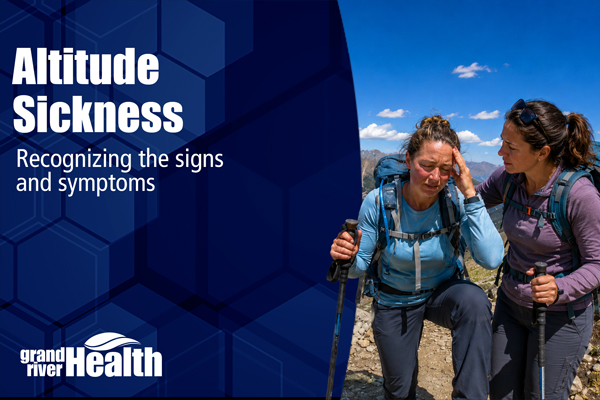
Spending time in the mountains can be an unforgettable experience. However, the higher you climb, the lower the oxygen levels become, and that can lead to altitude sickness.
Most cases of altitude sickness are mild and improve with rest and hydration, but recognizing the symptoms early can help prevent more serious complications. Here’s what you should know before your next mountain adventure.
What Is Altitude Sickness?
Altitude sickness occurs when your body has difficulty adjusting to lower oxygen levels at higher elevations. It most commonly develops above 8,000 feet, although some people may experience symptoms at lower elevations, especially if they ascend quickly.
Symptoms often begin within 6 to 24 hours after arriving at a higher elevation. Fortunately, most people recover with simple self-care measures and allowing their body time to acclimate.
Common Symptoms
Altitude sickness can feel similar to the flu or a hangover. Common symptoms include:
- Headache (the most common symptom)
- Nausea or vomiting
- Loss of appetite
- Fatigue or weakness
- Dizziness or lightheadedness
- Difficulty sleeping
If you notice these symptoms, slow down, rest, stay hydrated, and avoid strenuous activity until you begin to feel better.
How to Prevent Altitude Sickness
The best treatment is prevention. A little preparation can go a long way toward helping your body adjust to higher elevations.
Stay Hydrated
Higher elevations can cause you to lose fluids more quickly. Drink plenty of water throughout the day and aim for pale yellow urine as a sign that you’re well hydrated.
Take It Easy Your First Day
Give your body time to adapt. Avoid strenuous hiking, skiing, running, or other vigorous activities during your first 24 hours at higher elevations.
Ascend Gradually
If your travel plans allow, spend a night at an intermediate elevation before climbing higher. Once you’re above 8,000 feet, increase your sleeping elevation gradually whenever possible.
Eat Regular Meals
Your body needs energy to adjust to altitude. Eating carbohydrate-rich foods such as fruit, bread, pasta, rice, and potatoes can help fuel the acclimatization process. Try not to skip meals.
Limit Alcohol
Alcohol contributes to dehydration and can make it more difficult to recognize the symptoms of altitude sickness. Consider waiting until you’ve fully adjusted before enjoying alcoholic beverages.
Get Plenty of Rest
Travel and changes in elevation can be exhausting. Getting adequate sleep allows your body to recover and adapt more effectively.
Avoid Smoking
Smoking reduces the amount of oxygen your body receives, making it even more difficult to adjust to higher elevations.
What Can You Do If You Develop Mild Symptoms?
Most mild cases improve with simple measures, including:
- Resting and avoiding strenuous activity
- Drinking plenty of fluids
- Eating light, regular meals
- Taking over-the-counter pain relievers such as acetaminophen or ibuprofen for headaches
If your symptoms do not improve or begin to worsen, move to a lower elevation and seek medical care.
Who Is Most at Risk?
Altitude sickness can affect anyone—even healthy, physically fit individuals. Your risk is higher if you:
- Live at a low elevation
- Travel rapidly to high elevations
- Have experienced altitude sickness before
- Exercise vigorously soon after arriving
- Sleep at a high elevation on your first night
Remember, being in excellent physical condition does not protect you from altitude sickness.
When Should You Seek Emergency Care?
Although most cases are mild, altitude sickness can become life-threatening. Call 911 or go to the nearest Emergency Department immediately if you experience:
- Severe shortness of breath while resting
- Difficulty walking or loss of coordination
- Confusion or unusual behavior
- Blue lips or fingertips
- Chest pain
- Persistent vomiting
- A severe headache that does not improve
These symptoms may indicate a serious altitude-related illness that requires immediate medical attention.
A simple rule of thumb can help you remember the basics:
Climb high, sleep low, drink plenty of water, and take your first day slow.
With a little planning and by listening to your body, most people can safely enjoy everything Colorado’s mountains have to offer. If you’re feeling ill after arriving at a higher elevation, don’t ignore your symptoms. Early recognition and prompt action are the best ways to prevent altitude sickness from becoming more serious.